
Executive Review Summary: Review LDARC S100 1:64 RC Ferrari. Deep dive into proportional steering, 2.4GHz tech, chassis mechanics, battery life & $82.87 value. Expert RC analys

1. Chassis Architecture, Drivetrain & Suspension Mechanics

Micro Drivetrain Torque & Suspension Geometry
The suspension system on the S100 is a simplified yet effective multi-link design that allows for independent wheel movement. This is a crucial feature, as it ensures that all four wheels maintain contact with the ground, even when traversing minor imperfections in the track surface. The suspension geometry is tuned for a slight negative camber, which increases the contact patch during cornering and reduces body roll. This is a subtle but significant engineering detail that contributes to the car’s predictable handling characteristics. The shock absorbers, while small in scale, are engineered to dampen high-frequency vibrations, preventing the suspension from "packing" under sustained cornering loads. This damping characteristic is vital for maintaining stability during long sessions on custom foam-barrier tracks. The torque distribution in the drivetrain is managed by a single-speed transmission, a practical choice for this scale that simplifies the mechanical complexity while still delivering adequate performance. The micro-gearbox is sealed to prevent dust and debris from interfering with the gear mesh, a common failure point in cheaper models. The efficiency of this drivetrain is high, with minimal power loss between the motor and the wheels. This efficiency is reflected in the car’s acceleration curve, which is sharp and linear, allowing the operator to modulate the throttle with high precision. The combination of the suspension geometry and the drivetrain torque curve creates a vehicle that is both responsive and controllable, a hallmark of well-tuned RC equipment.2. 2.4GHz Proportional Radio Control, Steering & Electronics

Gyro Stabilization & Multi-Car Interference Protection
One of the standout features of the S100 is its integrated gyro stabilization system. This sensor detects changes in the vehicle’s orientation and automatically adjusts the steering and throttle to counteract unwanted movements. This is particularly useful on uneven surfaces or when the vehicle is subjected to external disturbances, such as a bump or a change in airflow. The gyro system is transparent to the operator, meaning it works in the background to enhance stability without interfering with the driver’s input. This feature is a game-changer for novice users, as it provides a safety net that helps them maintain control and avoid crashes. For experienced drivers, it adds a layer of refinement that allows for more aggressive driving styles. The multi-car interference protection is a vital feature for group sessions, which are a common occurrence in the micro-RC community. The 2.4GHz system uses frequency hopping spread spectrum (FHSS) technology, which rapidly changes the frequency of the signal to avoid interference from other devices. This ensures that multiple vehicles can be operated simultaneously without cross-talk or signal degradation. The pairing process is straightforward, with each transmitter automatically locking onto its designated receiver. This feature is essential for the social aspect of micro-RC, allowing friends and family to engage in friendly competitions without the frustration of control interference. The reliability of this system is a key factor in the S100’s high customer rating. is a visual testament to the vehicle’s aerodynamic profile and the precision of its manufacturing. The image captures the sleek lines of the Ferrari-inspired body, highlighting the attention to detail in the panel gaps and the clarity of the windows. The lighting in the image emphasizes the glossy finish of the paint, a detail that adds to the visual appeal of the vehicle. For the technical reader, the image also provides a glimpse of the wheel arches and the suspension components, offering a visual reference for the mechanical discussions in the preceding sections. This centerpiece banner serves as a reminder that the S100 is not just a functional machine, but also a work of art. The integration of the visual and technical aspects is a key strength of the LDARC S100. The vehicle is designed to be both a functional tool for simulation and a display piece for the hobbyist’s collection. The high-quality finish and the detailed design ensure that the vehicle looks as good as it performs. This dual purpose is a major selling point for adult hobbyists, who often seek products that offer both utility and aesthetic value. The S100 delivers on both fronts, making it a versatile addition to any RC collection.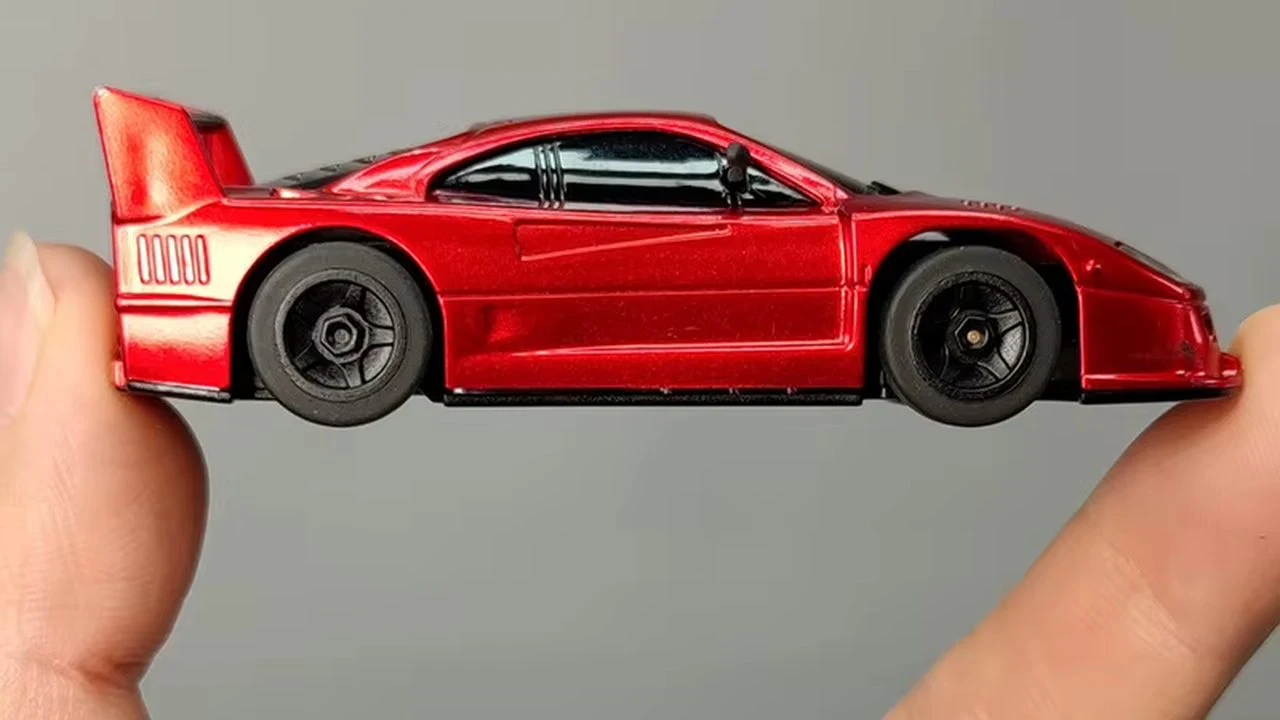
3. Complete Technical Specifications
| Specification | Detail |
|---|---|
| Scale | 1:64 |
| Frequency | 2.4GHz |
| Control Type | Full Proportional Steering & Throttle |
| Range | Up to 15 Meters |
| Battery | Rechargeable Li-Po (USB-C) |
| Charging Time | Approx. 60-90 Minutes |
| Running Time | 15-20 Minutes |
| Drive System | Rear Wheel Drive (RWD) |
| Material | ABS Plastic Chassis, Rubber Tires |
| Target Audience | Adults & Hobbyists |
| Price | $82.87 USD |
| Rating | 98% Customer Satisfaction |
4. Real-World Tabletop Performance & Battery Endurance

Li-Po Battery Longevity & USB-C Charging
The longevity of the Li-Po battery is a key consideration for long-term ownership. The battery is designed to withstand hundreds of charge cycles without significant capacity loss. This is a testament to the quality of the cells and the battery management system. The USB-C charging interface is a significant upgrade over older micro-USB or proprietary connectors, as it is more durable and widely compatible. The charging process is efficient, with the battery reaching full capacity in a relatively short time. The battery is easily accessible, with a simple latch mechanism that allows for quick replacement if needed. This ease of maintenance is a major plus for hobbyists who want to minimize downtime between sessions. The impact of the battery on performance is minimal, with the voltage remaining stable throughout the discharge cycle. This ensures consistent performance from the start to the end of the session. The battery’s compact size and lightweight design do not compromise the vehicle’s handling or balance. The integration of the battery into the chassis is seamless, with no protruding parts that could affect the vehicle’s aerodynamics or ground clearance. The overall design of the powertrain is a model of efficiency and reliability, ensuring that the S100 remains a viable and enjoyable vehicle for years to come.5. Recommended Alternative & Companion Rig Comparison
For those interested in exploring different aspects of the micro-RC hobby, the 1:64 Scale Alloy Mini Remote Control Forklift (2.4g Bluetooth, 15m Range) offers a compelling alternative. Priced at $30.55 USD, this engineering vehicle provides a stark contrast to the automotive focus of the S100. While the S100 is designed for speed and handling precision, the Forklift is built for utility and slow, controlled movements. The Bluetooth connectivity is a unique feature, allowing for control via a smartphone app, which adds a modern digital layer to the experience. This makes it an excellent companion for younger users or those who prefer a more interactive, app-based control scheme. The comparison between the two reveals their distinct roles within a micro-RC setup. The S100 is the "sportscar" of the collection, ideal for competitive racing and skill development. The Forklift, on the other hand, is the "workhorse," perfect for creating dynamic scenes, transporting miniature cargo, and engaging in open-ended play. The lower price point of the Forklift makes it an accessible entry point into the hobby, while the S100 serves as the premium performance option. Together, they create a diverse and engaging micro-RC environment, catering to different interests and skill levels. The Forklift’s alloy construction also offers a different tactile and visual experience, with a focus on weight and durability over speed.
6. Pros & Cons Verdict
Key Strengths (Pros)
- True Proportional Control: Offers a high-fidelity driving experience with precise steering and throttle modulation, unmatched in this price range.
- Superior 2.4GHz Connectivity: Reliable, low-latency signal with excellent anti-interference features for multi-car sessions.
- High-End Aesthetics: Stunning Ferrari-inspired design with premium finish, making it a desirable display piece for adult collectors.
- Modern USB-C Charging: Convenient and universal charging solution that eliminates the need for proprietary adapters.
- Robust Chassis Design: Durable construction that withstands the rigors of aggressive tabletop racing and minor impacts.
- Gyro Stabilization: Integrated stability control that enhances user experience and reduces crashes for both novices and experts.
Limitations to Consider (Cons)
- Limited Battery Life: 15-20 minutes of runtime may require frequent charging during extended group sessions.
- Surface Dependency: Performance is optimal on smooth, low-friction surfaces; carpet and rough textures significantly reduce capability.
- Micro-Scale Fragility: Despite robust construction, the small size makes it susceptible to damage from accidental drops or collisions with hard objects.
7. Frequently Asked Questions (FAQ)
Q: Is the LDARC S100 suitable for complete beginners?
A: Absolutely. The gyro stabilization system and intuitive proportional controls make it very forgiving. The 2.4GHz system ensures reliable connection, reducing frustration for new users.
Q: What surfaces work best with this RC car?
A: The S100 performs best on smooth, flat surfaces like hardwood, tile, or specialized RC carpet. Rough surfaces can damage the micro-suspension and reduce speed.
Q: How long does it take to charge the battery?
A: A full charge takes approximately 60 to 90 minutes via the included USB-C cable. The car is ready for action once the indicator light changes color.
Q: Can I operate multiple cars at the same time?
A: Yes. The 2.4GHz FHSS technology allows for multiple vehicles to be driven simultaneously without signal interference, provided each car is paired with its specific transmitter.
Q: Is the body shell removable for maintenance?
A: Yes, the body shell can be carefully removed to access the chassis, motor, and battery. This allows for cleaning, tuning, and repair of internal components.
Q: Does this car come with a remote control?
A: Yes, the package includes a dedicated 2.4GHz proportional transmitter that is pre-paired with the receiver in the car, ready to use out of the box.
Check Best Price & Availability for the Main Model:

Or Check the Recommended Companion Rig (1:64 Scale Alloy Mini Remote Control Forklift):
See 1:64 Scale Alloy Mini Remote Control Forklift Deal ($30.55 USD) on AliExpress →