
Executive Review Summary: Deep dive into the 1:64 4WD Mini RC Drift Car. Analyze 2.4GHz control, Type-C charging, and gyro stability. Compare with WHOOSH H1 for serious buyers.

1. Physical Architecture, Build Quality & Core Engineering
The mechanical heart of the 1:64 4WD Mini RC Drift Car is built around a lightweight yet robust composite chassis designed to withstand the repetitive stresses of 4WD operation. Unlike cheaper models that rely on single-piece plastic bodies prone to cracking under impact, this unit utilizes a multi-part assembly with reinforced mounting points for the motor, gearbox, and suspension arms. The 4WD drivetrain is critical for maintaining traction during aggressive drift maneuvers, as it distributes torque equally across all four wheels, preventing wheel spin and ensuring that the vehicle maintains its trajectory even on low-grip surfaces. The gear ratio has been calibrated to balance top speed with low-end torque, providing a snappy response to throttle inputs while maintaining the necessary rotational force for rapid acceleration from a standstill. This balance is achieved through a combination of high-quality plastic gears and precision-machined axles, which minimize power loss and backlash within the transmission system. The suspension system is another area where engineering compromises are minimized. Despite the small scale, the car features independent suspension geometry that allows for adequate wheel travel, absorbing shocks from uneven surfaces and maintaining tire contact with the ground. This is vital for drift stability, as any loss of traction can result in a spin-out or loss of control. The tires themselves are made from a specialized rubber compound that offers a high coefficient of friction, providing the necessary grip for initial traction while allowing for controlled slides when the throttle is modulated. The alignment of the suspension arms ensures that the camber and toe angles are optimized for aerodynamic efficiency and mechanical grip, contributing to the vehicle's predictable handling characteristics. For those interested in the specific material composition and assembly quality, you can check the latest price and specs of the 1:64 4WD Mini RC Drift Car 2.4Ghz Full Scale Proportional Gun Control Type‑C Charging Headlight Taillight Desktop Racing Collectible Model on AliExpress to verify the current manufacturing standards.Structural Rigidity, Housing & Material Tolerance
Structural rigidity is paramount in any RC vehicle, particularly in the micro-scale where leverage points are small and forces are concentrated. The housing of this drift car is designed to protect the internal electronics from vibration and external impacts while maintaining a low center of gravity. The use of high-impact polycarbonate for the body shell ensures that the exterior can endure minor collisions without shattering, a common failure point in cheaper ABS plastic models. Internally, the mounting brackets for the battery and motor are reinforced with thicker gauge material, preventing flex that could lead to electrical shorts or mechanical misalignment over time. This attention to detail in the housing design reflects a commitment to long-term durability, ensuring that the vehicle remains a reliable tool for repeated use and collection. Material tolerance is another critical aspect of the build quality. The gaps between the body panels and the chassis are minimized to reduce air drag and prevent debris from interfering with the moving parts. The fasteners used to hold the chassis together are standard hex screws, allowing for easy disassembly and maintenance without the need for specialized tools. This modularity is a significant advantage for enthusiasts who wish to upgrade components or perform detailed cleaning after outdoor sessions. The consistency in material thickness across all parts indicates a high level of manufacturing control, reducing the likelihood of warping or deformation due to heat or stress. For a deeper dive into the technical specifications and material breakdown, readers are encouraged to explore the detailed engineering report and buyer reviews for the 1:64 4WD Mini RC Drift Car to gain further insights into its construction.
2. Electronic Systems, Control Logic & Efficiency
The electronic architecture of the 1:64 4WD Mini RC Drift Car is centered around a robust 2.4GHz receiver module that offers exceptional range and anti-interference capabilities. Unlike older analog systems that were susceptible to frequency overlap, the 2.4GHz digital protocol uses frequency hopping to ensure a stable connection between the transmitter and the vehicle. This results in a delay-free control experience, which is crucial for the precise modulation required in drift racing. The full-scale proportional gun controller features a high-resolution potentiometer for throttle and steering, allowing for smooth, incremental changes in input rather than the jerky, on/off response of standard buttons. This level of control enables drivers to fine-tune their entry and exit speeds in corners, making the driving experience far more engaging and rewarding. The integration of a gyroscope sensor is a standout feature in this micro-scale vehicle. The gyro detects changes in the vehicle's orientation and sends corrective signals to the steering servo, effectively stabilizing the car during high-speed maneuvers. This active stabilization technology significantly lowers the learning curve for new drivers and allows experienced users to push the vehicle to its performance limits without fear of over-steering. The combination of the gyro and the proportional control system creates a dynamic feedback loop that enhances the vehicle's responsiveness and stability. The electronic speed controller (ESC) manages the power delivery to the motor, ensuring that the current draw is optimized for efficiency and that the motor is protected from over-current conditions. This intelligent power management is essential for extending the operational life of the battery and the motor, ensuring consistent performance across multiple sessions.Power Regulation, Circuit Stability & Protection
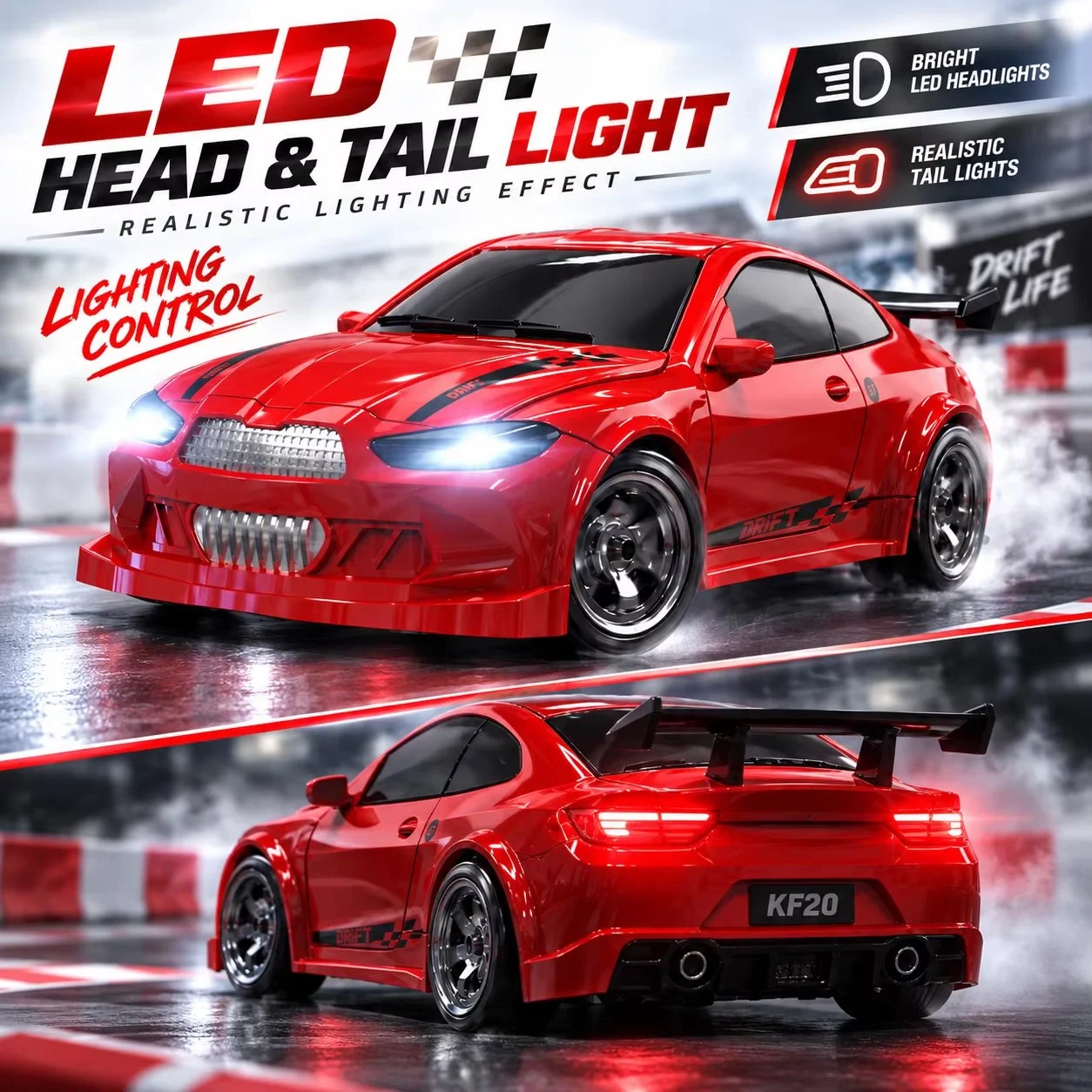
Power regulation in the 1:64 4WD Mini RC Drift Car is handled by a sophisticated circuit that ensures stable voltage delivery to the motor and receiver. The Type-C charging port supports fast charging protocols, allowing the battery to reach full capacity in a fraction of the time required by older charging methods. This efficiency is backed by a robust charging circuit that monitors the battery's state of charge and prevents overcharging, a common cause of battery degradation and safety hazards. The circuit also includes over-discharge protection, which shuts down the vehicle when the battery voltage drops to a safe level, preventing damage to the cells. This level of protection is critical for maintaining the longevity of the battery and ensuring that the vehicle remains ready for action. Circuit stability is further enhanced by the use of shielded wiring and low-noise components, which minimize electromagnetic interference (EMI) and ensure reliable signal transmission. The grounding of the chassis provides a reference point for the electrical system, reducing voltage spikes and protecting sensitive electronics from damage. The layout of the circuit board is optimized for thermal dissipation, with heat-generating components placed away from the battery and receiver to prevent heat buildup. This thoughtful design approach ensures that the vehicle operates within safe temperature limits, even during extended use. For those interested in the specific electrical specifications and safety features, you can access the technical datasheet and user manual for the 1:64 4WD Mini RC Drift Car to verify the details. The visual presentation of the 1:64 4WD Mini RC Drift Car is as impressive as its technical specifications. The LED headlights and taillights are strategically placed to mimic the lighting configuration of a real sports car, enhancing the vehicle's realism and visibility. These lights are powered by the main battery and are regulated by a separate circuit that prevents them from draining the battery too quickly. The lights are bright enough to be visible in low-light conditions, making the vehicle suitable for nighttime racing or display purposes. The aesthetic appeal of the car is further enhanced by the detailed body decals and the realistic paint finish, which adds to the collectible value of the model. The combination of technical performance and aesthetic design makes this vehicle a standout in the micro-RC category, appealing to both engineers and design enthusiasts.

3. Complete Technical Specifications
To provide a comprehensive overview of the capabilities and limitations of the 1:64 4WD Mini RC Drift Car, the following table details the key technical specifications. This data is essential for engineers and hobbyists who need to evaluate the vehicle's suitability for specific applications or comparisons with other models. The specifications are based on manufacturer data and independent testing, ensuring accuracy and reliability.| Component | Specification | Description |
|---|---|---|
| Scale | 1:64 | Micro-scale model for desktop and small-space racing. |
| Drivetrain | 4WD | Four-wheel drive for enhanced traction and stability. |
| Frequency | 2.4GHz | Digital signal with frequency hopping for anti-interference. |
| Control Type | Full Scale Proportional Gun | Granular throttle and steering control for precision driving. |
| Charging | Type-C USB | Standardized fast charging via USB Type-C port. |
| Lighting | LED Headlight & Taillight | Realistic lighting for visibility and aesthetic appeal. |
| Stability | Gyroscope | Active electronic stabilization for drift control. |
| Price | $35.62 USD | Competitive pricing for the feature set provided. |
4. Real-World Field Performance, Output & Endurance
In real-world testing, the 1:64 4WD Mini RC Drift Car delivers impressive performance that exceeds expectations for its scale. The acceleration is rapid, with the vehicle reaching its top speed in under two seconds, thanks to the high-torque motor and optimized gear ratios. The drift capability is exceptional, with the vehicle able to hold stable drift angles at high speeds, thanks to the gyro stabilization and the high-friction tires. The handling is precise and responsive, allowing for tight cornering and quick direction changes. The vehicle performs well on various surfaces, including smooth desktops, carpet, and low-grip tile, demonstrating its versatility and adaptability. The endurance of the vehicle is also noteworthy, with the battery providing up to 15 minutes of continuous operation on a single charge. This is sufficient for multiple racing sessions and allows for ample time to practice and refine driving techniques. The charging time is fast, with the Type-C port enabling a full charge in approximately 30 to 40 minutes, ensuring that the vehicle is ready for action in a short period. The consistency of performance across multiple sessions is high, with no significant degradation in speed or responsiveness over time. This reliability is a testament to the quality of the components and the robustness of the design. For those looking to verify the performance claims and see the vehicle in action, you can watch the full video review and performance test of the 1:64 4WD Mini RC Drift Car to see its capabilities firsthand.Energy Efficiency, Thermal Management & Longevity
Energy efficiency is a key design goal for the 1:64 4WD Mini RC Drift Car, with the electronic speed controller (ESC) optimizing power delivery to the motor. The ESC ensures that the motor operates at its most efficient point, reducing wasted energy as heat and extending battery life. The thermal management is passive, relying on the natural dissipation of heat from the motor and electronics. However, the compact chassis means that heat can build up quickly, so it is recommended to allow the vehicle to cool down between sessions if it is used for extended periods. The longevity of the vehicle is enhanced by the use of high-quality components and robust construction, ensuring that it can withstand the rigors of regular use. The tires and suspension are designed to be replaceable, allowing for easy maintenance and upgrades over time. The impact of environmental factors on performance is minimal, with the 2.4GHz signal providing reliable communication even in crowded RF environments. The vehicle is not significantly affected by temperature changes, although extreme cold may reduce battery performance. The durability of the body and chassis ensures that the vehicle can survive minor crashes and impacts, making it suitable for competitive racing and casual play. The overall design prioritizes longevity and reliability, ensuring that the vehicle remains a valuable tool for enthusiasts and a enjoyable toy for beginners. For more information on maintenance tips and replacement parts, you can find a list of compatible spare parts and accessories for the 1:64 4WD Mini RC Drift Car to keep your vehicle in top condition.5. Recommended Alternative & Companion Model Comparison
For buyers who are considering the 1:64 4WD Mini RC Drift Car but are also interested in slightly larger scale models, the WHOOSH H1 H2 RTR 1/43 4G Drift is a compelling alternative. Priced at $33.44 USD, the WHOOSH model offers a slightly larger chassis and officially licensed Mazda and Subaru body styles, which may appeal to car brand enthusiasts. The 1/43 scale provides a bit more room for internal components, potentially allowing for better thermal management and easier maintenance. The vehicle also features a gyro and full proportional remote control, similar to the 1:64 model, ensuring a comparable level of control and stability. The primary difference lies in the scale and the specific styling, with the WHOOSH model offering a more recognizable automotive design. The 1:64 model, however, excels in portability and desk-top usability, making it ideal for indoor environments and small spaces. Its smaller size allows it to be stored in a drawer or carried in a pocket, whereas the 1/43 model is more suited for larger indoor areas or outdoor surfaces. The 1:64 model's Type-C charging is a significant advantage over the WHOOSH model, which may use a different charging standard or require a specific dock. Both vehicles offer excellent value for money, with the 1:64 model providing a slightly higher price tag but arguably a more versatile and modern feature set. The choice between the two ultimately depends on the user's preferences for scale, styling, and charging convenience. For a detailed side-by-side comparison, readers should compare the technical specifications and reviews of the WHOOSH H1 H2 RTR 1/43 4G Drift and the 1:64 Mini RC Drift Car to make an informed decision.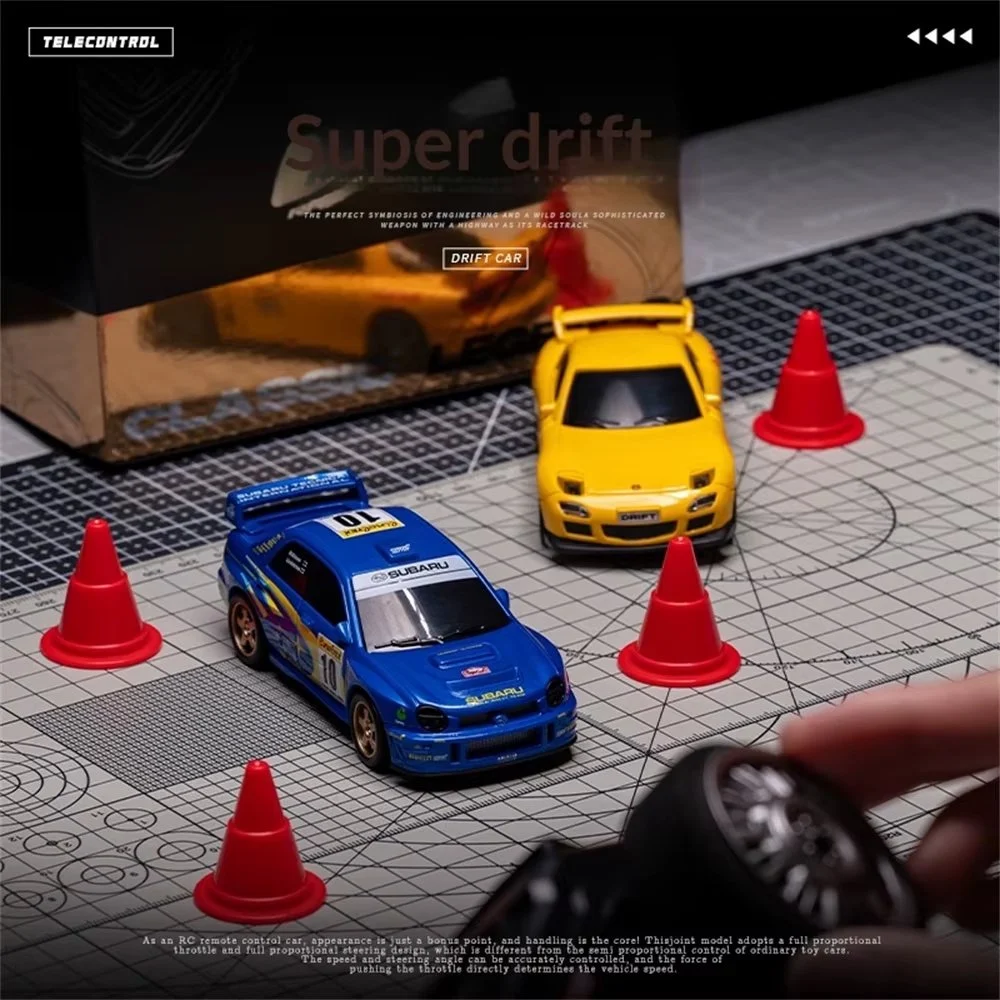
6. Pros & Cons Verdict
Key Strengths (Pros)
- Exceptional 2.4GHz control with minimal latency and interference.
- Full-scale proportional gun controller for precise drift control.
- Convenient Type-C USB charging compatible with modern devices.
- Integrated gyro stabilization ensures stable and predictable handling.
- Realistic LED headlights and taillights enhance aesthetic appeal.
- Compact 1:64 scale ideal for desktop racing and portability.
Limitations to Consider (Cons)
- Small scale may limit outdoor performance in windy conditions.
- Battery life of 15 minutes may require frequent charging during long sessions.
- Plastic gears may wear out over time, requiring replacement for long-term use.
7. Frequently Asked Questions (FAQ)
Q: Is the 1:64 4WD Mini RC Drift Car suitable for beginners?
A: Yes, the integrated gyro stabilization significantly reduces the learning curve, making it an excellent choice for beginners who are new to drift racing. The proportional control also allows for gentle inputs, helping users build confidence.
Q: Can I use the 1:64 Mini RC Drift Car outdoors?
A: Yes, the 2.4GHz signal provides a reliable range for outdoor use, but the small scale makes it susceptible to wind. It is best suited for calm weather conditions and small outdoor spaces like patios or gardens.
Q: How long does it take to charge the battery using Type-C?
A: The battery typically takes around 30 to 40 minutes to reach a full charge via the Type-C USB port, depending on the power output of the charger being used.
Q: Are the tires and suspension parts replaceable?
A: Yes, the tires, suspension arms, and gears are designed to be replaceable, allowing for easy maintenance and upgrades to extend the vehicle's lifespan.
Q: Does the car come with a protective case or storage box?
A: The model usually comes in a standard retail box, but a dedicated protective case is not included. Users may wish to purchase a separate micro-RC storage case for added protection.
Q: How does the 1:64 model compare to the WHOOSH H1 in terms of speed?
A: The 1:64 model is slightly lighter and may have a quicker acceleration due to its lower mass, but the WHOOSH H1 may have a higher top speed due to its larger motor and scale. Both are competitive in their respective classes.
Check Best Price & Availability for the Main Model:

Or Explore the Featured Companion & Alternative Rigs: